01
Shared brief and responsibilities
During my BlueFocus internship, I independently built two workflows based on overseas AI video templates assigned by my mentor: a pet podcast and a pet interview. Both connect character visuals, scripts, voices, and video, with different formats and refinement priorities.
- Pet podcast
- Two pets discuss a topic, with a focus on voice selection and clip duration.
- Pet interview
- An interview based on photos and descriptions, focusing on character descriptions and dialogue duration.
02 / INDEPENDENT WORKFLOW
Pet podcast
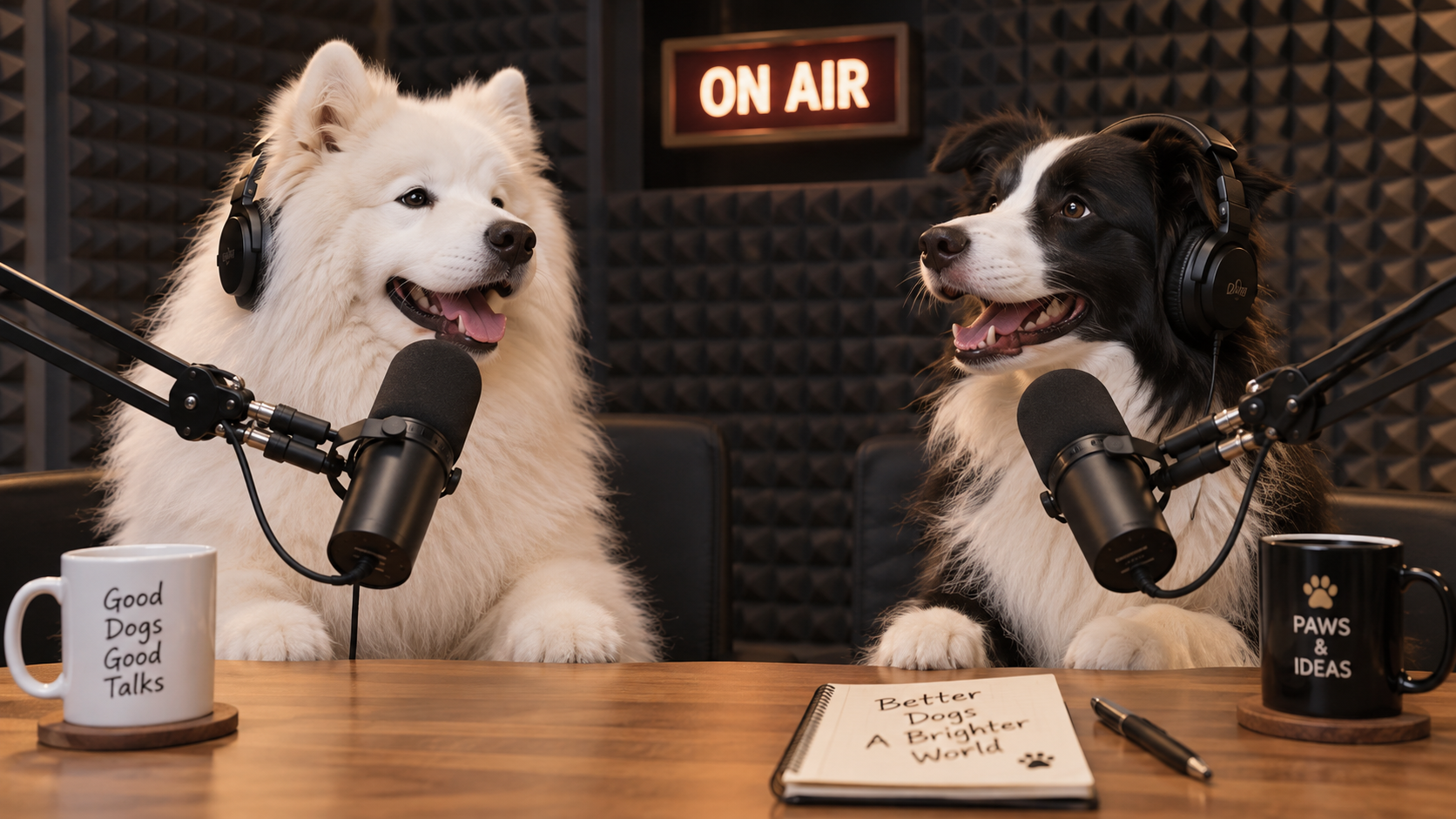 Watch the pet podcast
Goal and workflow
The podcast aimed to turn two pets into conversational characters, using uploaded photos and a topic to generate a short podcast-style video. The workflow needed to bring together dialogue, character visuals, voiceover, and editing.
The workflow starts with pet photos and a topic, develops dialogue and storyboard imagery, prepares TTS audio and video clips, and combines video, sound, and subtitles.
Voice selection and the time each line occupies affect the viewing experience. These were the two problems I focused on.
Listen first, then constrain selection
Voice selection was one of the hardest parts. Letting the workflow find a voice it considered suitable made it difficult to express my own listening preferences.
I listened to voices individually, compiled a shortlist, and required the workflow to choose only from those voices.
This separated selection into two steps: I handled listening and curation, then the workflow chose within that range. Human judgment became an explicit constraint.
Separate generation from edit length
The voiceover and the pets' mouth movements did not line up in time.
The video tool I used required clips of at least five seconds, while dialogue lines varied in length. I controlled dialogue length through the script, generated five-second clips, and trimmed them during editing.
This let the retained clip length follow the voiceover. The approach addressed duration and pacing; it did not in itself establish precise, phoneme-level lip synchronization.
03 / INDEPENDENT WORKFLOW
Pet interview
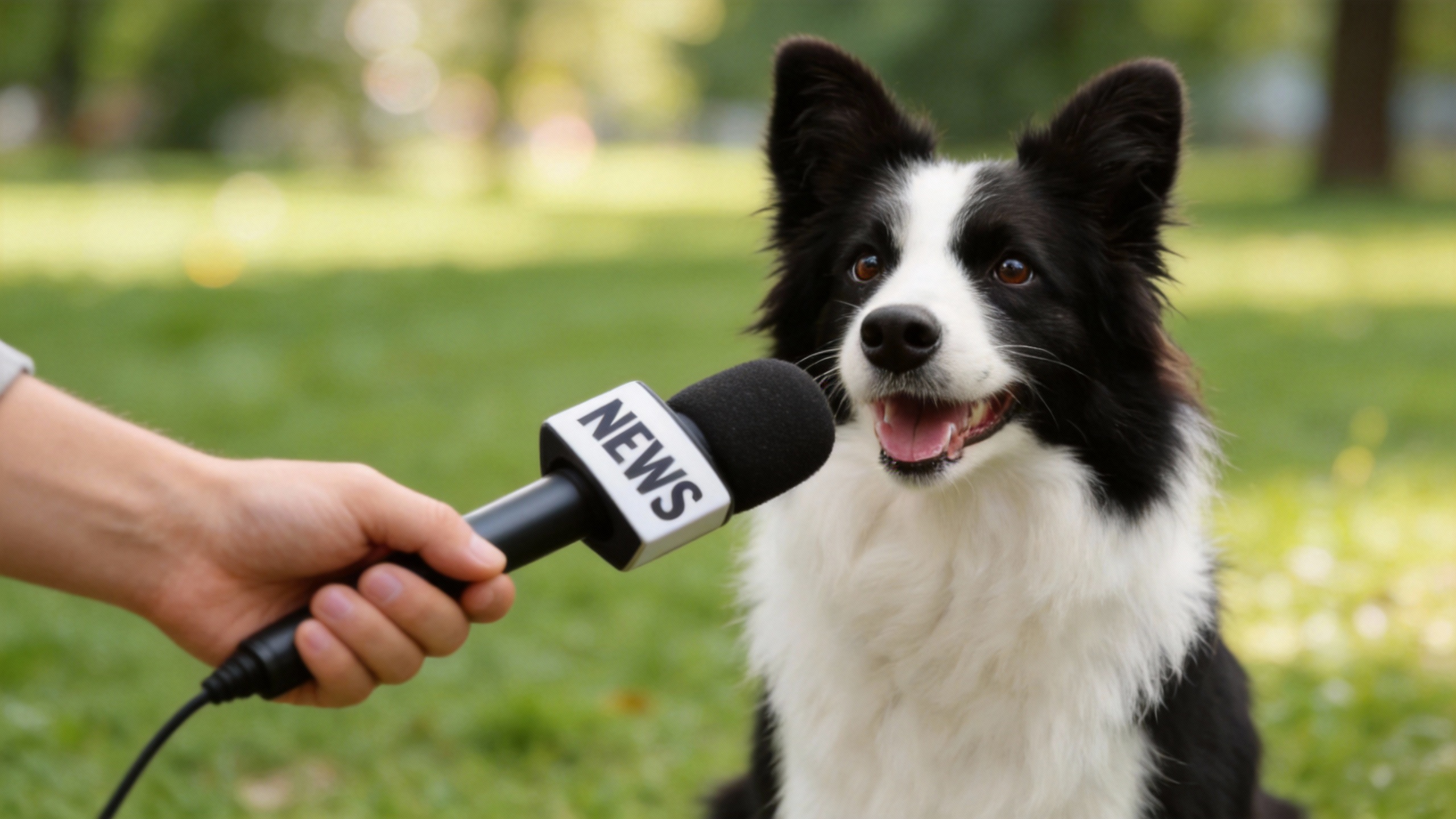 Watch the pet interview
Goal and workflow
The pet interview is a separate workflow I independently built from a reference template. It takes two pet photos and an optional description to create an interview with character-specific dialogue and voices.
Photos and descriptions → character features → interview script → voice and shot-duration checks → video and subtitle assembly.
Extract character features
I instructed the model to extract animal features systematically and produce standardized visual descriptions as references across shots.
Compare duration and revise dialogue
The interview workflow compares TTS duration with shot duration, then shortens dialogue and checks again. This is distinct from generating and trimming five-second clips in the podcast; duration matching does not establish precise lip synchronization.
04
Delivery and shared lessons
I independently completed both template workflows. The team handed completed outputs to backend developers for website deployment; my role covered workflows and content outputs.
I see this as translating a target output into concrete constraints: voices required listening and curation, and clip lengths had to account for dialogue and the tool's limits.
If I continued iterating, I would examine voice selection, clip duration, and mouth-movement alignment separately, so each issue had a clear focus for observation.
A future direction is multilingual support for the same type of template.
Back to portfolio